WINDOWS INSTALLER
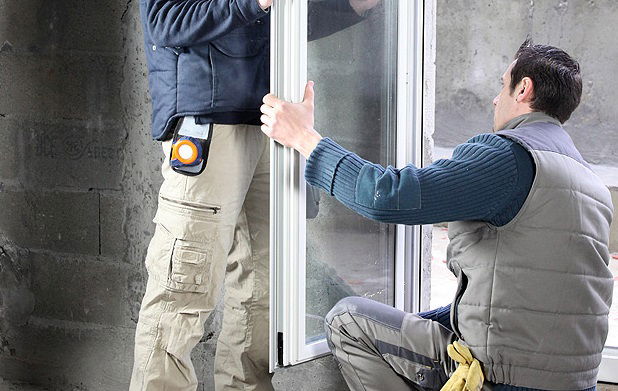
The UNI 11673-2 standard defines the knowledge, skills, and competence requirements of the window installer, i.e., the professional operating in the field of installation of windows and doors in both new and existing buildings. The aim of the standard is to ensure operational efficiency and guarantee the effective installation of windows and doors. The standard identifies three professional levels based on the tasks performed by the window installer:
- Junior installer/window fitter
- Senior installer/window fitter
- Foreman installer/window fitter
Why get certified according to UNI 11673-2
In an extremely competitive market such as thermal insulation, windows and doors play a fundamental role, and certified skills certainly represent a guarantee of quality. Certification according to UNI 11673-2 is, for example, essential for managing and participating in new tenders. For the client, as well as for the contractor, working with a certified installer represents an additional assurance of performance efficiency, which allows installation operations to be optimized and reduces the incidence of disputes.
Target users
The UNI 11673-2 standard is aimed at all service companies and operators in the sector who have invested in achieving high levels of knowledge, skills, and competence and who intend to demonstrate them on the market. It also aims to provide guarantees to all organizations that use personnel for the effective installation of windows and doors.
Advantages
- Optimizes installation operations and compliance with project specifications
- Reduces the incidence of disputes
- Improves the selection of products and additional components/accessories thanks to specific and targeted knowledge that ensures the functional efficiency of on-site performance
- Increases the value chain of energy efficiency interventions (e.g. ECOBONUS)
Certification process
The certification exam takes place in the presence of an examination board that has no conflict of interest with the candidates and is structured as follows:
- Written test with multiple-choice questions
- Oral exam, required for the junior profile
- Practical test, required for senior and foreman profiles: simulations of window installation activities
- Case study, required for the Foreman profile
Access to each subsequent test is allowed only after passing the previous one. The exam is passed with 60% in all tests. Certification is issued following verification of the correctness of all examination documents by an authorized decision-maker who checks the correctness and completeness of the process and its contents.
The certification process ends with the issuance of the Certificate (subject to authorization, the candidate’s name will be entered into the Registers of the Certification Body and of the accreditation body ACCREDIA).
The validity of the certification is subject to annual maintenance during which the Certification Body will verify the professional’s continued activity.
At the end of the 4-year validity period, the certified professional may choose to renew the certification through the same maintenance procedures plus evidence of participation in training courses.
Normative references
- UNI 11673-2 – Installation of windows and doors – Knowledge, skills, and competence requirements of the window installer
- UNI 11673-1 – Installation of windows and doors: requirements and criteria for verifying design
- UNI 10818 – Windows, French doors, doors and shutters – roles, responsibilities, and contractual indications in the installation process
- Law 14 January 2013, no. 4 – Provisions on non-regulated professions