ISO 50001:2018 - ENERGY MANAGEMENT SYSTEM
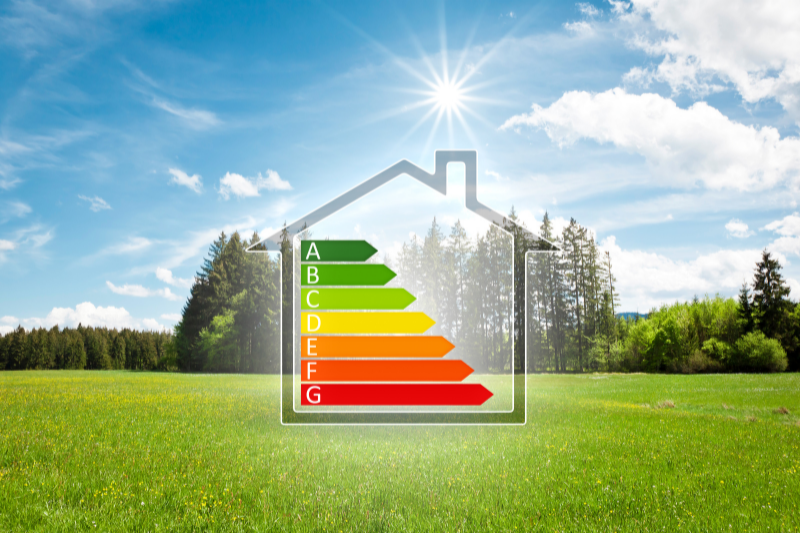
Adopt the ISO 50001 standard on energy management systems in order to improve energy performance, reduce costs, and meet or enhance customer expectations.
WHAT IS AN ISO 50001 MANAGEMENT SYSTEM?
Effective energy management systems help an organization establish processes to improve energy performance. Implementation should reduce energy costs, greenhouse gas (GHG) emissions, and other environmental impacts. The ISO 50001 standard establishes an international framework for the supply, use, and consumption of energy in industrial, commercial, and institutional organizations.
Implementing a sustainable energy management system in compliance with ISO 50001 demonstrates the company’s commitment to continuously improving energy performance.
Based on the Plan-Do-Check-Act cycle, ISO 50001 establishes a set of requirements for implementing energy policies with concrete objectives, such as adopting measures to reduce and control energy consumption, verifying savings, and planning improvement actions on an ongoing basis. The ISO 50001 standard provides the necessary guidelines to align with CO₂ emission reduction requirements: based on regulatory compliance, it has a structure similar to ISO 14001 and can be easily integrated with quality, safety, and environmental management systems already in place within the organization.
ISO 50001 certification enables companies to meet the requirements set by the standard, actively contributing to the reduction of energy consumption and lowering costs, resulting in increased profitability and the acquisition of a significant competitive advantage. The certificate is valid for three years, subject to surveillance audits. At the end of the three-year period, the certification can be renewed.
BENEFITS OF AN ISO 50001 MANAGEMENT SYSTEM
- Reduce operational costs, energy consumption, raw materials, and procurement costs for energy or related services
- Limit environmental impact
- Use high-energy-consuming facilities more efficiently
- Increase transparency and facilitate communication on energy resource management
- Support best practices in energy management and promote responsible behaviors
- Promote greater energy efficiency across the entire supply chain through more appropriate guidelines
- Optimize energy management within greenhouse gas emission reduction projects
- Define roles and responsibilities, including the identification of a dedicated energy management team
- Improve control of emissions, especially atmospheric emissions (greenhouse gases), both direct and indirect
- Increase the ability to comply with legal requirements related to the above aspects
- Facilitate integration with other existing management systems